Hurricane Season Plumbing Checklist for Naples
Plumbing problems during hurricane season in Naples aren't limited to what the storm itself does. Power outages, pressure changes, and heavy rain each create their own plumbing risks.
Article Info
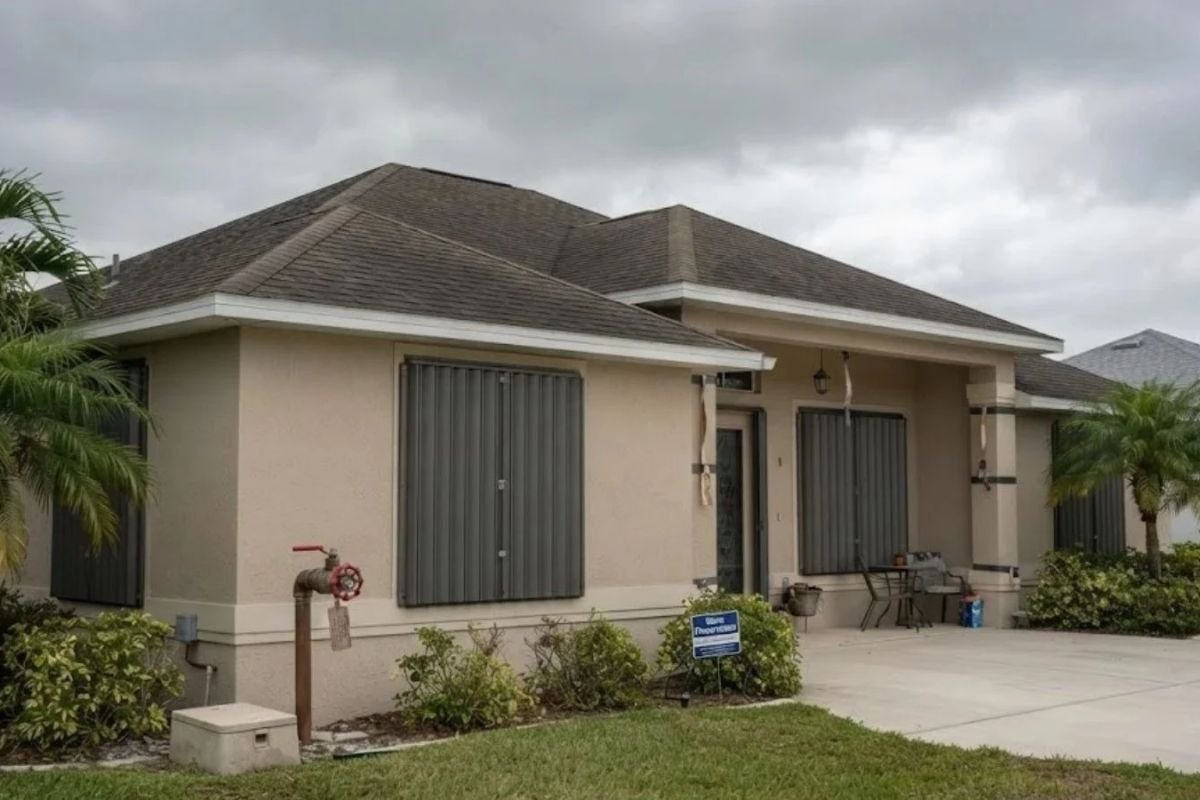
What To Check In The Weeks Before Hurricane Season
Know where your main water shutoff valve is and confirm it actually turns, since a valve that's seized from disuse won't help you in an emergency. Check your water heater's anode rod and general condition, since a unit already struggling doesn't need a power surge or outage to push it over the edge. If you have a sump pump, test that it activates properly and that the backup battery, if it has one, holds a charge.
Clear gutters and exterior drains of debris so heavy rain has somewhere to go rather than pooling against the foundation, which matters more than people expect for a slab-foundation home. If you're on a septic system, it's also a good time to confirm the tank isn't already close to needing a pump, since a system going into a major rain event near capacity is far more likely to back up.
Last-Minute Steps As A Storm Approaches
Consider shutting off your main water supply if you're evacuating for an extended period, which limits damage if a pipe breaks while the home is unattended. If you're staying, fill a bathtub with water for backup use in case service is interrupted, since municipal water pressure can drop or service can be cut entirely during major storms. Unplug the water heater if it's electric, to protect it from power surges when service is restored.
Secure or bring in any outdoor fixtures connected to your plumbing, hose bibs with attached equipment, irrigation timers, and similar items, since wind-driven debris can damage exposed connections even when the main structure comes through a storm undamaged.
What To Do If Something Goes Wrong Mid-Storm
If you notice active flooding or a burst pipe during the storm itself, shutting off the main water supply is the first priority, done safely if conditions allow. After the storm passes, avoid running water through any fixture that's been submerged until it's been checked, since floodwater can introduce contamination that isn't obvious from a visual inspection alone.
Document any visible damage with photos before you begin cleanup, both for insurance purposes and so we can see the full picture when we arrive, which speeds up an accurate assessment of what actually needs repair versus what's cosmetic.
If your home takes on water, moving quickly on water damage mitigation matters more than almost anything else in the process, since mold growth can begin within 24 to 48 hours in Florida's humidity. Waiting even a few days longer than necessary turns a manageable cleanup into a bigger remediation job.
If You're On A Septic System
Heavy rainfall can saturate a drain field temporarily, reducing its ability to process wastewater and sometimes causing backups even in a well-maintained system. Reducing water use for a day or two after a major rain event, fewer loads of laundry, shorter showers, gives a saturated drain field time to recover. If backups continue past that window, it's worth having the system checked rather than assuming it will resolve on its own.
What Belongs In A Plumbing-Specific Storm Kit
Beyond the general hurricane supplies most Florida households already keep on hand, a plumbing-specific kit is worth putting together separately: a basic pipe wrench, plumber's tape, a few sizes of hose clamps, and a shutoff valve key if your main valve requires one. Bottled water for drinking is standard advice, but also keep a few extra gallons set aside specifically for basic sanitation needs if service is interrupted for more than a day, which happens more often than people expect after a major storm in this area.
What To Check Once Water Service Is Restored
Run each fixture briefly and check for discolored or cloudy water before using it normally, since a boil-water notice sometimes follows service restoration after a major storm, particularly if there's been any line damage in the broader distribution system. Check your water heater for proper operation once power is fully restored, and if it was left unplugged during the storm, give it time to reheat fully before assuming there's a problem if the first shower runs lukewarm.
Why A Pre-Season Check Is Worth The Small Cost
A brief pre-season plumbing check, confirming shutoff valves work, the water heater is in good shape, and any known issues are addressed ahead of time, costs far less than dealing with a failure during or right after a major storm, when scheduling gets tighter and problems tend to compound with each other. We offer this as a standalone visit each year for homeowners who'd rather handle it proactively than find out something's wrong mid-storm.
Storm Prep FAQ
Are you available for emergency calls during an active hurricane?
Yes, our emergency line runs 24/7 through hurricane season. We do prioritize active water intrusion and burst pipe calls when storm volume is high.
Should I turn off my water heater's gas or electric supply before a storm?
For electric units, unplugging or shutting off the breaker protects against surge damage. For gas units, check with your propane or utility provider's specific storm guidance, since procedures vary.
How soon after a storm should I have my plumbing inspected if the home flooded?
As soon as it's safe to access the property. The sooner a potential contamination or water damage issue is caught, the less extensive the remediation tends to be.
What if my well loses power during a storm and I need water?
A backup generator sized for your well pump is worth considering if you're on a well long-term, but in the short term, the bathtub-fill method before landfall covers basic needs until power and pump service are restored.
Storm Damage Or A Plumbing Emergency Right Now?
If a storm has already caused flooding or water intrusion, our water damage restoration service responds quickly to limit further damage. For a burst pipe or active leak specifically, see our burst pipe repair service.