Water Mitigation in Naples, FL
Mitigation is the first, time-critical step after water intrusion: stopping the source, extracting standing water, and setting up drying equipment fast enough to prevent secondary damage like mold and structural harm.
Mitigation Response
Two Distinct Phases, Not The Same Service
Mitigation is the emergency response: stopping the water source, extracting standing water, and beginning structural drying within hours, not days. Restoration is the rebuild that follows once the property is dry, replacing damaged materials and returning the space to normal. Mitigation done fast and correctly is what determines how much restoration ends up being needed, which is why response speed matters as much as the work itself.
The Window Before Secondary Damage Sets In
0 To 24 Hours
Water spreads through porous materials, drywall wicks moisture upward, carpet padding saturates.
24 To 48 Hours
Mold growth becomes a genuine risk in Naples' humid climate once materials stay wet this long.
Beyond 48 Hours
Structural materials, subfloor and framing, can begin to weaken with sustained moisture exposure.
What Mitigation Includes
Want your real number instead of a range? Call (833) 521-1033.
What To Do Before We Arrive
- Shut off the water source at the main if it's safely reachable and the leak is still active.
- Move furniture, rugs, and valuables away from the affected area if it's safe to do so.
- Photograph the damage before cleanup begins, for your insurance documentation.
- Avoid using electrical outlets or appliances in areas with standing water.
- If the water is from a sewage source rather than clean supply water, stay out of the area entirely until it's treated.
IICRC S500-Based Process
Our mitigation process follows the IICRC S500 standard for professional water damage restoration, the industry-recognized reference for extraction, drying, and moisture verification. That means documented moisture readings at the start and throughout the drying process, not a visual guess about when a space is dry.
Why Humidity Makes This Harder Here
Naples' year-round humidity means the surrounding air is already carrying significant moisture, which slows how effectively materials can release water back into the environment even with dehumidifiers running. Mitigation crews working in this climate typically run equipment longer and take moisture readings more frequently than the same job would require in a drier region, since the ambient conditions themselves work against fast drying.
Business Interruption Matters Too
For commercial properties, mitigation speed affects more than the building itself, every day a business stays closed for water damage is lost revenue. We prioritize commercial mitigation calls accordingly and can work around a business's operating hours where the situation allows, coordinating directly with property managers or business owners rather than treating a commercial job the same as a residential one on timeline expectations.
What We Track Throughout The Job
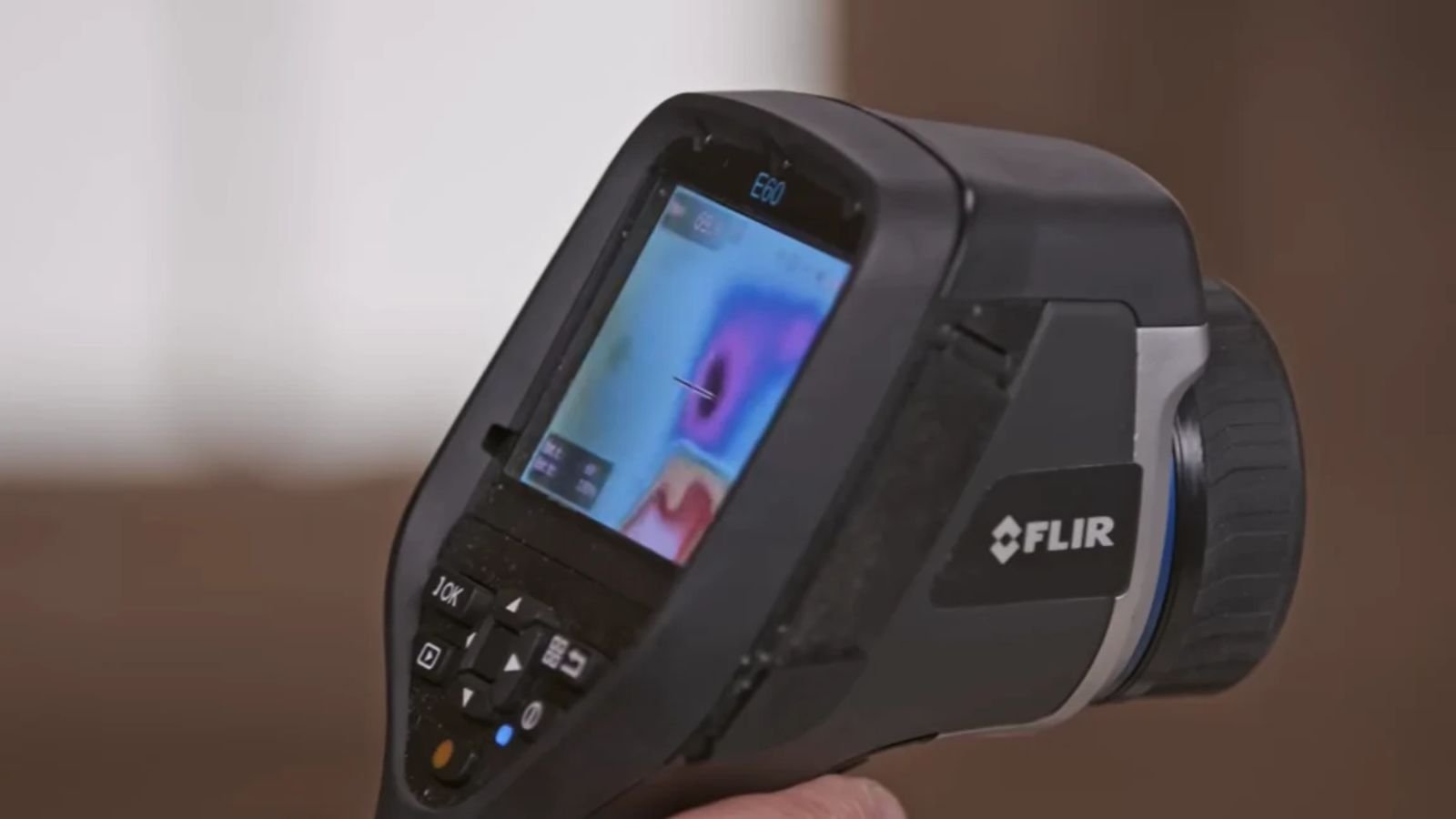
Beyond the physical work, mitigation includes documenting moisture levels at the start of the job, throughout the drying process, and at completion, along with photos of the affected areas. This record serves two purposes: confirming the space is actually dry before we consider the job done, and giving you and your insurer a clear paper trail if a claim is involved. We don't just say a space is dry, we show the readings that prove it, backed by the moisture meter data itself.
Water Mitigation FAQ
What's the difference between mitigation and restoration?
Mitigation is the emergency response that stops the water and prevents further damage. Restoration is the rebuild that follows once the property is dry.
How fast can you respond to active water intrusion?
We dispatch 24/7 and treat active water intrusion as a priority call, day or night.
Will insurance cover mitigation costs?
Most homeowner policies cover sudden, accidental water damage, and prompt mitigation is often required to keep a claim valid. We document the process for your insurer.
What happens if I wait a day or two before calling?
The longer water sits, the more materials it affects and the greater the risk of mold, which can turn a mitigation job into a larger remediation project. Calling as soon as you notice water is always the better choice.
Do you work directly with my insurance adjuster?
Yes, we can coordinate directly with your insurance company and provide the documentation, photos, and moisture readings they typically require for a claim, start to finish.
Do you handle mold if it's already started?
Early-stage mold that results directly from the water event is something we address as part of mitigation. More extensive mold remediation may require a specialized follow-up, which we'll flag clearly if we see it.
Active water intrusion right now? Call (833) 521-1033.