Water Filtration Installation in Naples, FL
A chlorine taste from the tap, sediment in your water, or an odd smell all point to something a whole-house filtration system can address at the source, rather than a pitcher filter that only treats drinking water.
Filtration Service
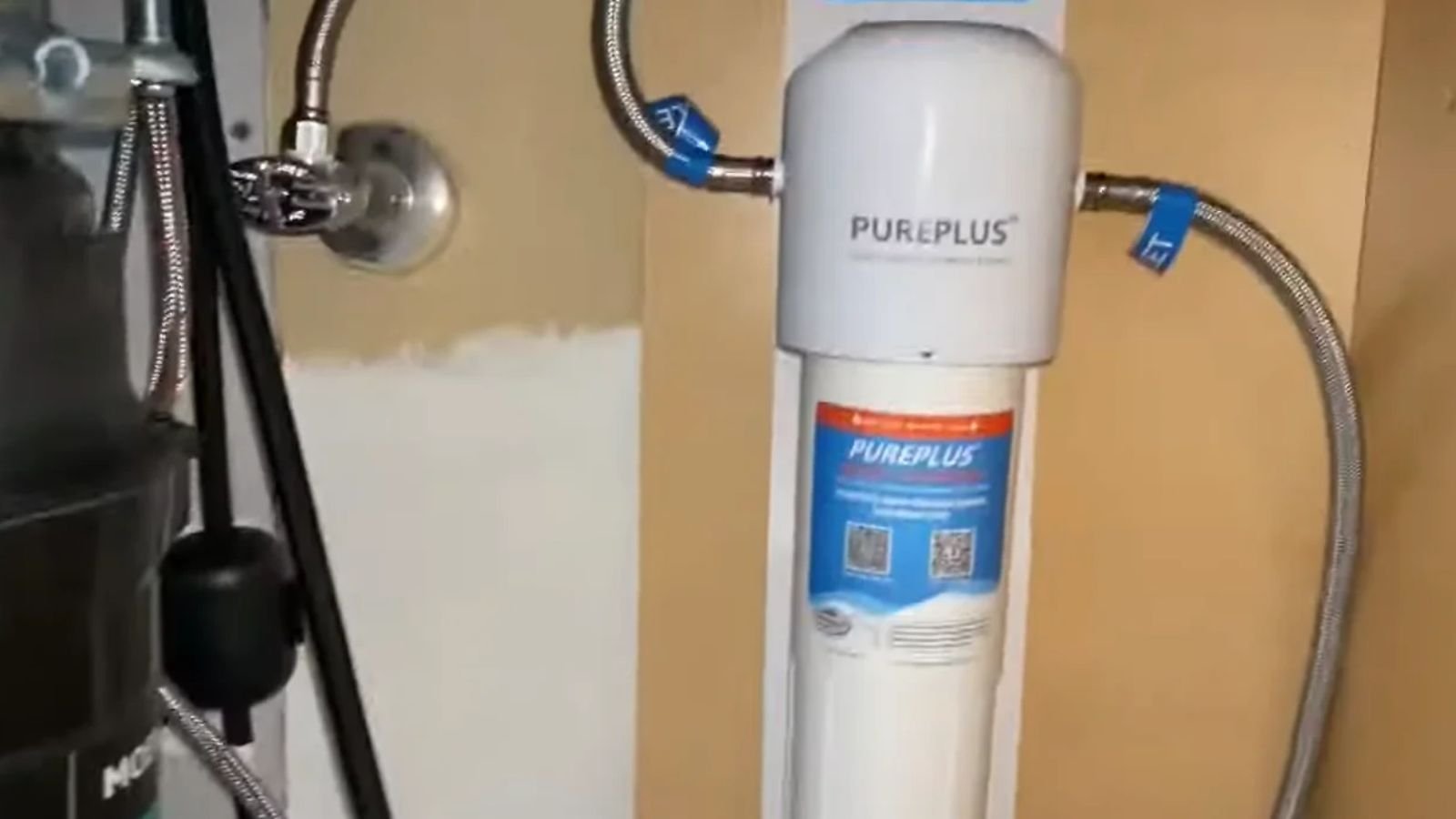
Filtration Solves A Different Problem Than Softening
Filtration removes chlorine, sediment, and other contaminants that affect taste, smell, and water clarity. Softening specifically addresses hardness minerals that cause scale buildup. Many households genuinely need both, and we test your actual water before recommending one, the other, or a combined system rather than assuming.
What Naples Homeowners Notice
Chlorine Taste Or Smell
Common on municipal water, treatable with carbon-based whole-house filtration.
Visible Sediment
Sandy or cloudy water is more common on private wells across Golden Gate Estates and Immokalee.
Sulfur Or "Rotten Egg" Smell
Usually hydrogen sulfide, common in certain well water, treatable with the right filtration media.
Rust-Colored Staining
Iron content, common on some wells, requiring iron-specific filtration rather than a standard carbon filter.
Typical Cost Ranges
Well water systems often need a combination of filter types depending on test results. Want your real number? Call (239) 522-0887.
Why We Test Before Recommending Equipment
Naples' municipal water and the private wells across Collier County's unincorporated areas have genuinely different water chemistry, and even two wells on neighboring properties can differ meaningfully in mineral and sediment content. We test your actual water, not a general assumption about your area, before recommending a specific filtration setup, so the system you get is sized and configured for what's really in your water.
Filtration And Softening Together
A combined filtration and water softener setup is common for well-water households dealing with both hardness and sediment or odor issues. Clean, properly filtered water ahead of a tankless water heater or standard tank also helps protect that investment from scale and sediment buildup over time.
What Keeps A System Working
Whole-house filtration systems need periodic filter or media replacement to keep performing, typically every three to twelve months depending on the filter type and how much water the household uses. A system running on exhausted media stops filtering effectively without necessarily showing an obvious sign, which is why we set up a realistic replacement schedule at installation rather than leaving it to guesswork.
UV Treatment And Reverse Osmosis
For households on private wells with bacterial concerns, a UV treatment stage can be added to a whole-house system to neutralize pathogens without chemicals. Reverse osmosis, typically installed at a single point like the kitchen tap rather than whole-house, provides the highest level of purification for drinking water specifically. These are add-ons worth discussing if your water test reveals a specific concern that standard carbon filtration doesn't fully address, rather than something we add by default to every installation.
What Installation Day Looks Like
Installation typically happens at the point where the main water line enters the home, ahead of the water heater so both hot and cold water throughout the house benefit from filtration. Most whole-house systems install in half a day to a full day depending on complexity and whether existing plumbing needs modification to accommodate the new unit. We test the water again after installation to confirm the system is actually performing as expected, not just assume it is because it's connected.
Water Filtration FAQ
Do I need filtration if I'm already on city water?
Many households on municipal water still want filtration to address chlorine taste and smell, even though the water is already treated and safe.
Can one system handle both filtration and softening?
Yes, combination systems exist and are common for well-water households dealing with multiple issues at once.
How do I know what's actually in my water?
We test it. Guessing based on symptoms alone can lead to the wrong system, so testing comes before any recommendation.
Will filtration lower my water pressure?
A properly sized system shouldn't cause a noticeable pressure drop. An undersized filter is the most common cause of reduced pressure after installation, which is part of why correct sizing matters.
Is a whole-house system better than a countertop filter?
For anything beyond drinking water, yes. A countertop or pitcher filter only treats the water you pour through it, while a whole-house system treats everything, including shower and bath water.
Not happy with your water? Call (239) 522-0887.