Signs Your Water Heater Needs Replacing in Naples
Most water heaters give some warning before they fail outright, and catching those signs early is the difference between a planned replacement and an emergency one.
Article Info
How Long Should A Water Heater Actually Last
A typical tank water heater is rated for 8 to 12 years of service, though that range assumes reasonably standard water conditions. In parts of Naples where water hardness runs higher, particularly for households on private wells, scale buildup inside the tank can shorten that lifespan meaningfully, sometimes pushing a unit toward failure closer to the 8-year mark than the 12-year one. Once a unit passes 10 years, it's worth paying closer attention to how it's performing rather than waiting for an obvious failure.
Keeping a simple record of your unit's install date, easy to find on the manufacturer's label, makes this kind of age-based judgment call much easier when the time comes.
What To Watch For Before A Full Failure
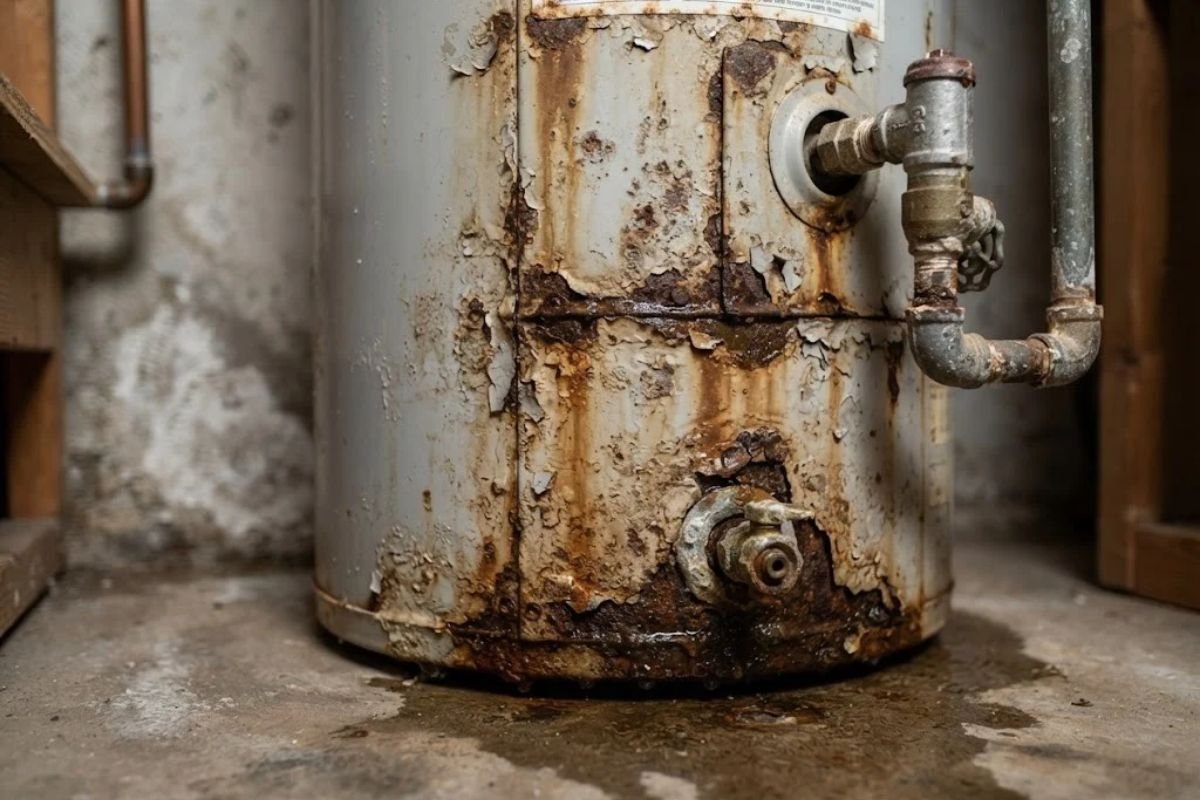
Rust-colored water coming from the hot tap specifically, but not the cold, usually points to internal tank corrosion rather than a supply-line issue. Rumbling or popping sounds during heating cycles are typically caused by sediment buildup at the bottom of the tank, which reduces efficiency and can accelerate tank wear over time. Water pooling around the base of the unit, even a small amount, warrants immediate attention, since it often signals the tank itself has started to fail rather than a fixable fitting leak.
A noticeable drop in hot water output, running out faster than it used to for the same household usage, is another sign the unit's internal components are wearing down, even without any visible leak yet.
When A Repair Still Makes Sense
A unit under 8 years old with a single, isolated issue, a failed heating element, a bad thermostat, a minor valve leak, is usually a good repair candidate rather than a replacement. Once a unit is older and showing multiple symptoms at once, or if the tank itself shows any sign of corrosion or leaking, replacement becomes the more sensible option both financially and in terms of avoiding a sudden failure that floods a utility closet or garage.
Worth Considering When You're Already Replacing
If you're already facing a replacement, it's a reasonable moment to consider whether a tankless system makes sense for your household instead of another standard tank unit. Tankless units cost more upfront but offer continuous hot water and can last considerably longer with proper maintenance, though they're not automatically the right choice for every home or budget, and we'll walk through the real tradeoffs for your specific situation.
What Actually Affects Replacement Cost
Tank size, fuel type, whether any code-required updates are needed during the swap, such as updated venting or a new expansion tank, and access difficulty all factor into a real quote. We give you an actual number after seeing your specific setup rather than a phone estimate that may not hold once we're on site.
What To Do If Your Water Heater Fails Suddenly
If a tank fails outright, active leaking, water pooling around the base, or a complete loss of hot water, shut off the water supply to the unit and, for gas units, the gas supply as well, before calling for service. Acting quickly limits water damage to surrounding flooring, walls, or storage, and gives us a clean situation to assess when we arrive rather than a worsening one.
Getting The Replacement Sized Correctly
A replacement unit should be sized to your household's actual hot water demand, not just matched to whatever size the old unit happened to be, particularly if your household has grown or your usage patterns have changed since the original installation. An undersized unit means running out of hot water regularly, while an oversized one wastes energy, so we size based on your real usage rather than defaulting to a like-for-like swap automatically.
Getting The Most Out Of A New Water Heater
Once a new unit is installed, a few habits genuinely extend its working life: an annual flush to clear sediment, checking the anode rod every couple years and replacing it before it's fully depleted, and keeping the area around the unit clear for proper airflow and easy access if service is ever needed. These small steps cost little and meaningfully push back the timeline before you're facing this decision again.
Setting a simple reminder each year for the flush and periodic anode check is often all it takes to stay on top of it, rather than relying on memory alone across a decade of ownership.
Water Heater Replacement FAQ
How quickly can you replace a failed water heater?
Same-day replacement is typically available for standard tank units, which matters given how disruptive a total loss of hot water is for a household.
Does hard well water really shorten a water heater's lifespan that much?
Yes, meaningfully. Scale buildup from hard water insulates the heating element and forces it to work harder, which accelerates wear on tank units in particular.
Should I flush my water heater regularly to extend its life?
Yes, an annual flush to clear sediment buildup is one of the most effective, low-cost things a homeowner can do to extend tank life, especially with harder water.
Is it worth repairing a water heater that's already leaking?
No, a leak at the tank itself, as opposed to a fitting or connection, means the tank has failed and needs replacement rather than repair, regardless of the unit's age.
Water Heater Showing Any Of These Signs?
Our water heater replacement service handles both standard and same-day emergency replacements. For a repairable issue on a newer unit, see our water heater repair service.