Sewer Camera Inspection in Naples, FL
A sewer camera lets us see the actual condition of your line, roots, cracks, offset joints, or a low spot, rather than guessing based on symptoms alone. Common for repeat backups, pre-purchase home inspections, and older homes with unknown pipe history.
Camera Inspection
Common Reasons Naples Homeowners Ask For This
Repeat Clogs
Confirms whether the problem is inside the house or in the lateral line itself.
Buying An Older Home
Sewer condition isn't always covered by a general home inspection, worth checking separately.
Mature Trees Near The Line
Confirms whether root intrusion has already started before it causes a backup.
Unknown Pipe History
For homes with no records of the sewer line's material or last inspection date.
What's Included
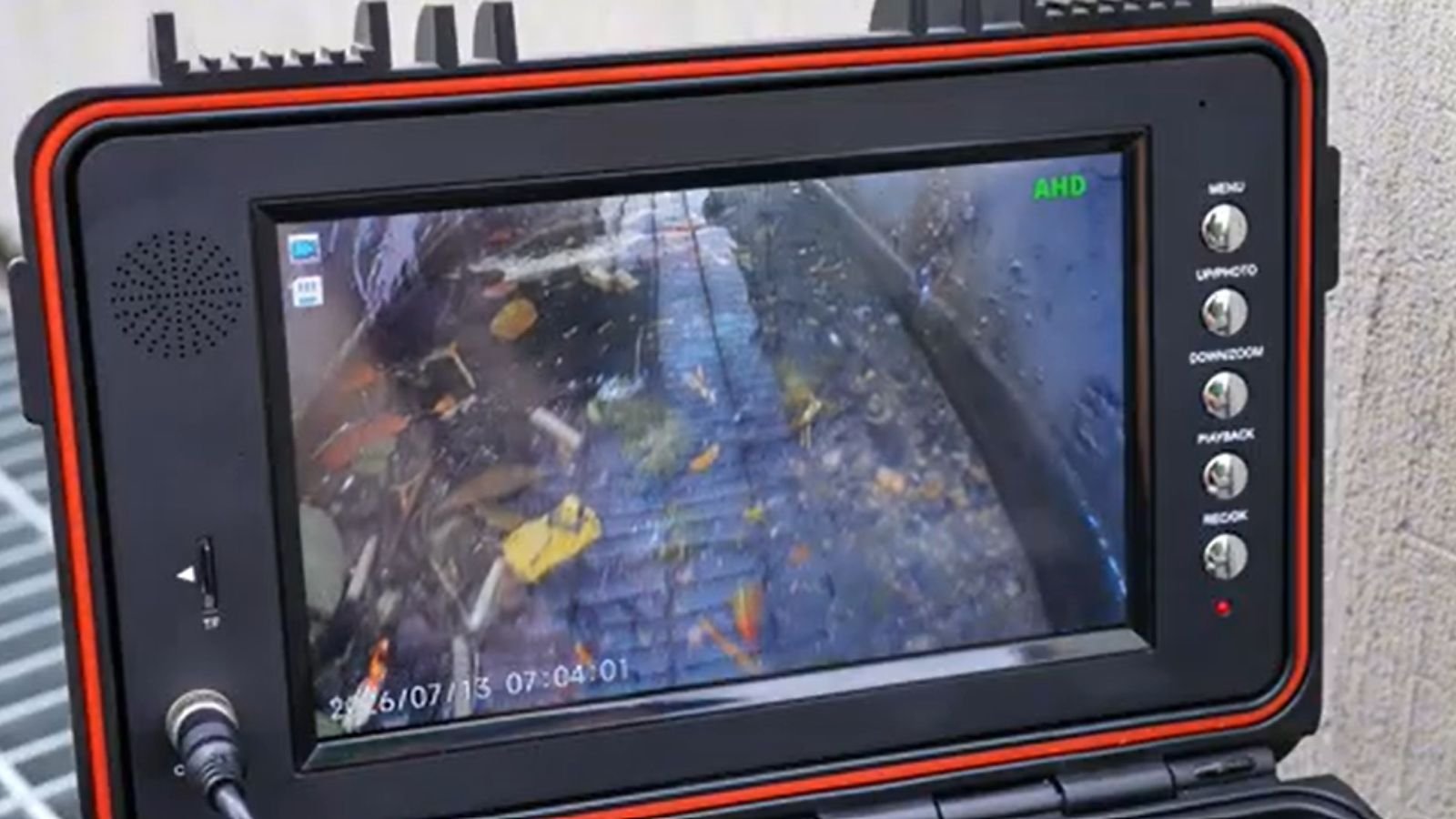
A standard inspection runs a waterproof camera through the line from an accessible cleanout, recording video as it goes. We'll walk you through what the footage shows, in plain terms, and provide the recording itself so you have it for your own records, a future buyer, or an insurance claim if needed.
Want your real number instead of a range? Call (239) 522-0887.
If The Camera Finds A Problem
If the inspection shows a crack, offset joint, or significant root intrusion, that becomes a sewer line repair conversation with real footage to back up the recommendation, not a guess. If it's just buildup without structural damage, hydro jetting may be all that's needed.
Reading The Footage
A camera inspection reveals several distinct issues, each with a different fix. Root intrusion looks like hair-like growth breaking through a joint. A belly, a low spot where the pipe has settled, shows as standing water pooling on camera even when nothing is actively draining. An offset joint appears as a visible step where two pipe sections no longer line up cleanly. Cracks and breaks are usually obvious once the camera reaches them. We narrate what we're seeing in real time rather than reviewing the footage separately afterward, so you understand the finding as it happens.
Why This Matters More In Older Neighborhoods
Homes in Naples' established neighborhoods, particularly those built before the 1980s, are more likely to have clay or cast iron laterals with no inspection history at all. A camera inspection is often the first time these lines have ever actually been looked at since installation, which is exactly why repeat clogs in an older home deserve this step rather than another round of snaking that treats the symptom without confirming the cause.
A Real-Estate Transaction Use Case
A general home inspection typically doesn't include the sewer lateral, since it requires specialized camera equipment most home inspectors don't carry. For a home built before the 1980s, or any home with unknown sewer history, a camera inspection ahead of closing can surface a costly repair before it becomes the new owner's surprise, or give a seller documentation to address concerns before they derail a sale.
What Makes A Reliable Inspection
A waterproof camera head on a flexible push cable enters through an accessible cleanout and travels the length of the line, sending live video back to a monitor on the truck. A locator built into the equipment lets us mark the exact above-ground position and depth of anything significant the camera finds, useful information if a spot repair ends up being the next step. This is meaningfully different from a basic handheld camera, which lacks the reach and locating capability to inspect a full residential lateral, and it's why a genuine inspection takes real equipment rather than a quick look with a flashlight.
Camera Inspection FAQ
Do I get a copy of the video?
Yes, we provide the recording so you have it for your own records or to share with an insurer, buyer, or seller.
Can this be done before I buy a home?
Yes, this is a common pre-purchase check, especially for homes over 20 years old where the sewer line's condition and material aren't documented.
How long does an inspection take?
Most residential inspections take 30 to 60 minutes depending on the length and layout of the line.
What if the camera can't get through the whole line?
That itself is a finding, usually meaning a significant blockage or collapse at that point, and we'll explain what we found before recommending next steps, including whether the blockage itself needs to be cleared before a full inspection can continue.
Want to see what's really going on? Call (239) 522-0887.