Well Pump Repair in Naples, FL
A well pump that's cycling constantly, running but not building pressure, or has stopped altogether affects the entire household's water at once. We diagnose and repair well pump systems across Golden Gate Estates, Immokalee, and Ave Maria.
Well Pump Service
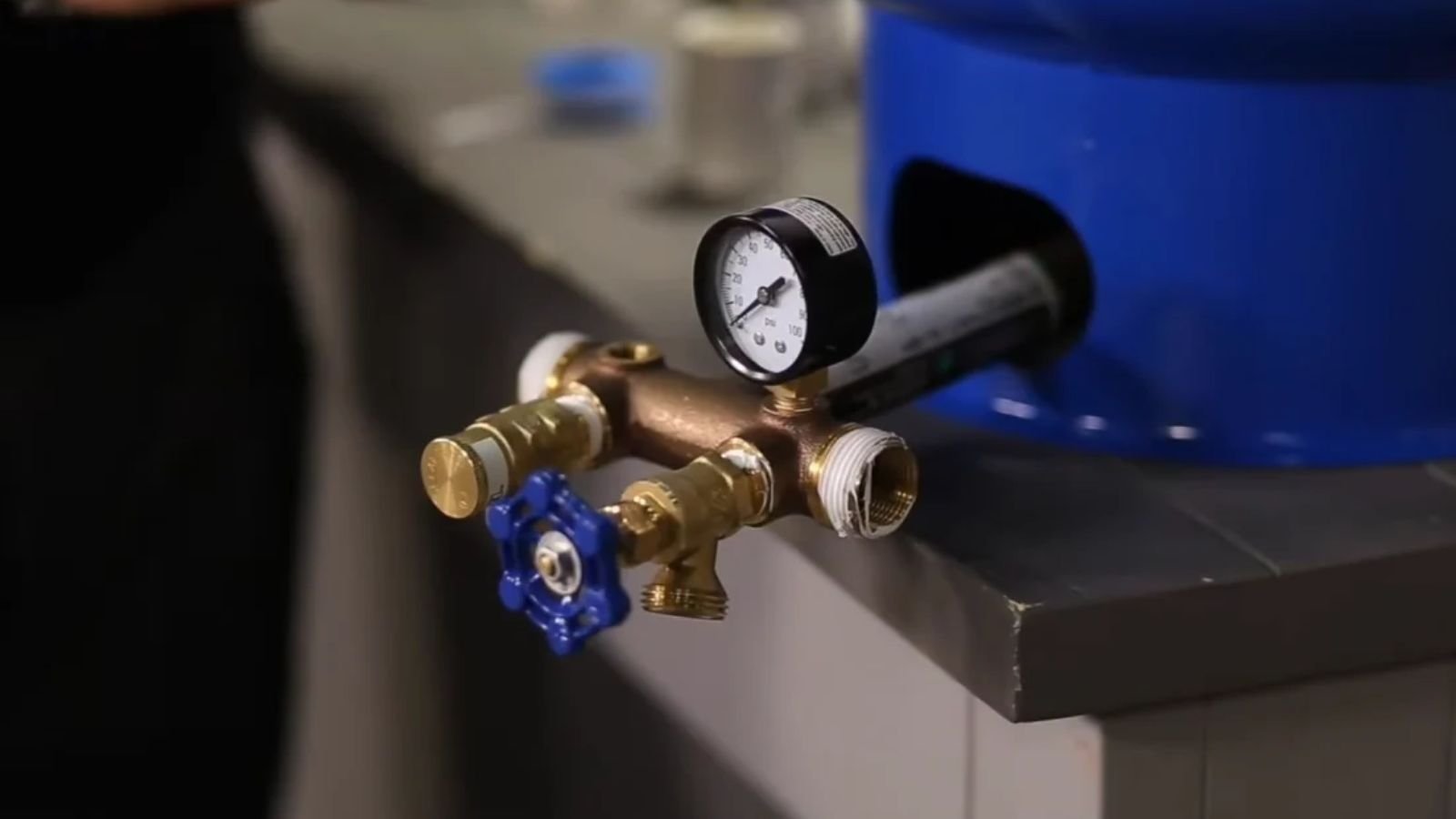
How A Failing Well Pump Shows Up
Pump Cycles Constantly
Turning on and off repeatedly even with no water running usually means a failing pressure tank or switch.
Low Or Inconsistent Pressure
Pressure that drops when multiple fixtures run at once can point to a pump that's undersized or wearing out.
No Water At All
Often an electrical issue, a tripped breaker, or a pump that's failed outright.
Loud Or Grinding Noise
A pump that's audibly struggling is usually close to failing completely.
Typical Cost Ranges
Depth and pump size both affect replacement cost significantly. Want your real number? Call (239) 522-0887.
Private Wells Are The Norm, Not The Exception
Golden Gate Estates, much of Immokalee, and parts of Ave Maria sit outside Naples' municipal water service, which means a private well is the household's only water source. Unlike a city-water home where a fixture problem might affect one bathroom, a well pump failure affects every tap, toilet, and appliance in the house at once, which is why we treat well pump calls with the same urgency as a burst pipe.
What Often Comes Up At The Same Time
Many well-water households also deal with hard water, worth addressing with a water softener while we're already on site. If your well pump has been running constantly for a while before failing, it's also worth checking for a leak somewhere in the system, since a leak can mimic pump symptoms.
Real Oversight For Well Work In Florida
Well construction, repair, and abandonment in Florida fall under the Department of Environmental Protection's Chapter 62-531, Florida Administrative Code, the Water Well Contractor Licensing Requirements. Pump repair on an existing well is more limited in scope than the well construction that chapter primarily governs, but the same licensing framework establishes the standards the trade works under statewide.
Finding The Actual Problem First
We check the pressure tank's air charge, the pressure switch's settings, and the pump's electrical draw before opening anything up. A waterlogged pressure tank, one that's lost its air cushion, causes the same short-cycling symptom as a failing pump but costs far less to fix. Starting with these checks means we don't recommend a pump replacement when the real problem is a $200 tank issue.
If the diagnostic does point to the pump itself, we'll also check the well's depth and static water level as part of sizing a replacement, since a pump sized for the wrong depth won't deliver the pressure a household needs even when it's brand new.
Dry-Season Water Table Changes
Southwest Florida's dry season, roughly November through April, can lower the water table enough to affect a shallow well's output even when the pump itself is working correctly. A well that performed fine during the wet season and then loses pressure heading into the dry months isn't necessarily failing, it may simply be drawing from a lower water level, which is why we check seasonal timing as part of any diagnostic rather than assuming pump failure by default.
Well Pump FAQ
My well pump won't stop running. Is that dangerous?
It can burn out the motor if left unaddressed. Shut off power to the pump at the breaker if you can safely do so, then call us.
How do I know if it's the pump or the pressure tank?
Both cause similar symptoms. A quick diagnostic visit tells us which one is actually the problem before we recommend a repair.
How long does a well pump last?
Typically 8 to 15 years depending on usage, water quality, and pump type.
Can a bad pressure tank really be mistaken for a bad pump?
Yes, both cause short-cycling and pressure swings. We always check the tank first since it's the less expensive fix if that's the actual cause.
Does a new well pump require a permit in Collier County?
Pump replacement itself typically doesn't require the same permit as new well construction, though we'll confirm the specific requirement for your property before starting, since rules can vary depending on the well's classification and depth.
No water pressure right now? Call (239) 522-0887.